
As spring approaches, it’s time to gear up for another season of gardening and lawn care. We’re diving into the importance of lawn aeration and sharing expert tips to help you achieve a healthier, greener lawn.
Why Aeration Matters
Lawn Aeration is a crucial practice for maintaining a vibrant and healthy lawn. Over time, soil can become compacted due to foot traffic, heavy machinery, and natural settling. This compaction restricts the flow of air, water, and nutrients to the grass roots, leading to stunted growth and poor overall health.
Aeration involves perforating the soil with small holes to alleviate compaction and promote better circulation of air, water, and nutrients. This process allows roots to penetrate deeper into the soil, resulting in a stronger and more resilient lawn.
When to Aerate in Colorado
The best time to aerate your lawn depends on the type of grass you have and your climate. For cool-season grasses, early spring or early fall is ideal. These periods coincide with the grass’s peak growth phases, allowing it to recover quickly from the aeration process.
Aeration Techniques
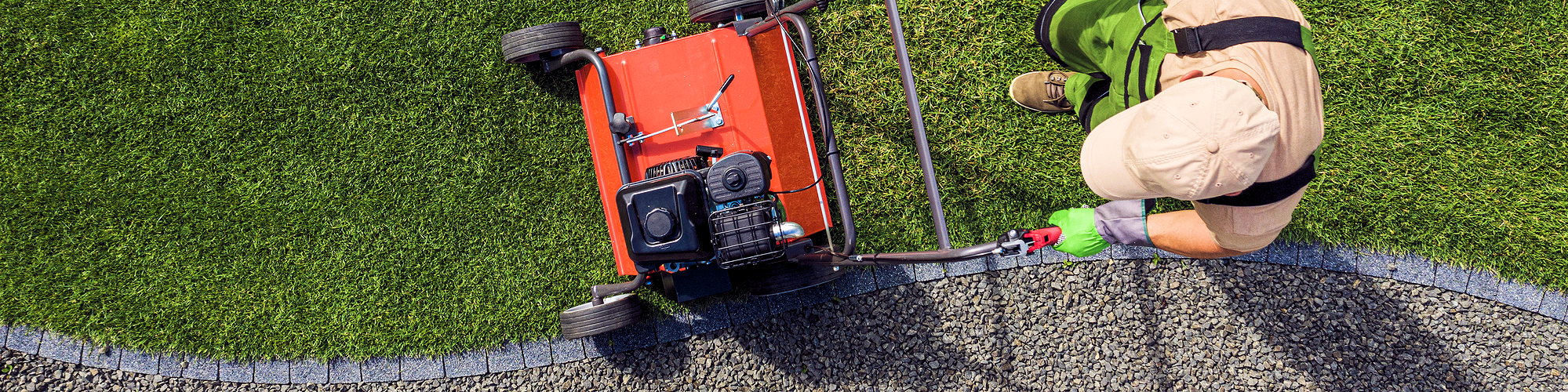
There are two primary methods of lawn aeration: core aeration and spike aeration.
- Core Aeration: This method involves removing small plugs of soil from the lawn using a specialized aerator. These plugs are typically 2-3 inches long and help alleviate compaction while creating space for air, water, and nutrients to penetrate the soil.
- Spike Aeration: Spike aeration, also known as spiking or tining, uses solid spikes or tines to puncture the soil without removing cores. While Spike aeration can provide some temporary relief from compaction, it may not be as effective as core aeration in the long term.
For most lawns, core aeration is the preferred method due to its ability to provide deeper soil penetration and more significant benefits for overall turf health.
Tips for Success
- Before aerating, water the lawn thoroughly to soften the soil and make it easier for the aerator to penetrate.
- Mark any sprinkler heads, shallow utilizes, or other obstacles to avoid damaging them during the aeration process.
- After aerating, consider over seeding to fill in any bare or thin areas of the lawn and maximize the benefits or aeration.
- Follow up with a light topdressing of compost or sand to improve soil structure and enhance nutrient retention.
As always, we are happy to provide aeration services to you if you’d prefer to leave it to the professionals!
Happy aerating!


